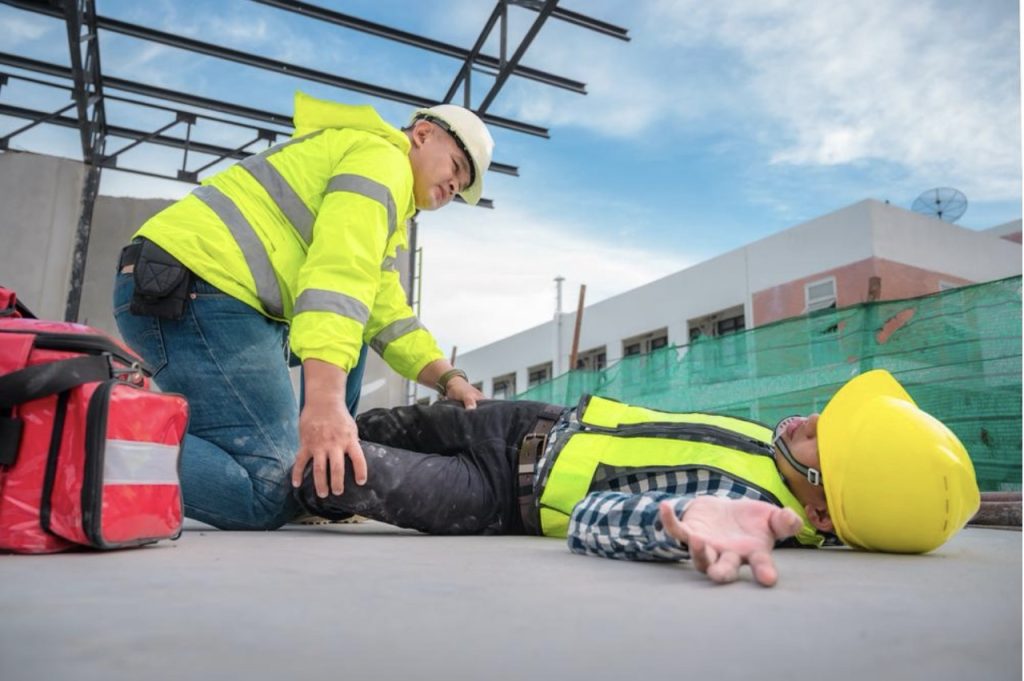
Construction workers help build and maintain the structures that keep Niagara Falls growing—from commercial developments to infrastructure upgrades. But construction sites are rarely predictable. Heavy equipment, elevated platforms, electrical systems, and fast-moving schedules can create dangerous conditions in an instant.
When an injury happens, many workers assume their only remedy is workers’ compensation. While workers’ compensation plays an important role, New York Labor Law provides additional protections that may allow injured individuals to pursue broader accountability. Speaking with a knowledgeable Niagara Falls construction accident lawyer can help clarify whether those protections apply in a specific situation.
Understanding these laws does not require technical legal knowledge—but it does require awareness.
Construction Work and Inherent Risk
Construction remains one of the most physically demanding industries. Workers routinely operate at heights, handle heavy materials, and rely on equipment that must function properly to prevent serious harm.
Common construction site accidents include:
- Falls from ladders or scaffolding
- Injuries caused by falling tools or materials
- Equipment malfunctions
- Structural collapses
- Electrical injuries
Because these risks are well known, state law places safety responsibilities not only on employers but also on contractors and property owners involved in a project.
The Role of New York Labor Law
New York has specific statutes intended to protect construction workers. These include:
- Labor Law §200 – General duty to maintain a safe workplace
- Labor Law §240(1) – Often called the “Scaffold Law,” addressing gravity-related injuries
- Labor Law §241(6) – Specific safety requirements for construction, demolition, and excavation
While each section addresses different aspects of job site safety, their overall purpose is consistent: to encourage safer work environments and provide legal options when safety standards are not upheld.
These laws recognize that construction workers often have limited control over site conditions. Responsibility frequently rests with those who oversee or benefit from the project.
Workers’ Compensation vs. Labor Law Claims
After a construction accident, workers’ compensation typically covers medical expenses and a portion of lost wages. This system does not require proof of fault, which allows injured workers to receive benefits relatively quickly.
However, workers’ compensation does not provide damages for pain and suffering or full lost income. In some cases, Labor Law claims may allow injured workers to pursue compensation beyond workers’ compensation benefits, particularly when third parties such as contractors or property owners may be involved.
This distinction is important. Many injured workers are unaware that additional legal avenues may exist depending on the circumstances of the accident.
How Accountability Is Determined
Construction accidents rarely occur in isolation. A single incident may involve multiple parties:
- A general contractor is overseeing the project
- Subcontractors performing specialized work
- Property owners
- Equipment manufacturers
Determining accountability often requires reviewing site conditions, contracts, and safety protocols. The goal is to understand whether proper precautions were in place and whether reasonable steps were taken to prevent harm.
An experienced Niagara Falls construction accident lawyer can help evaluate these factors and explain how state labor laws may apply to a specific injury, without overwhelming injured workers with technical language.
The Importance of Documentation and Evidence
Preserving information early can make a significant difference. Construction sites change quickly. Equipment may be repaired or removed. Temporary structures are dismantled.
After an accident, it is important to:
- Report the incident promptly
- Seek immediate medical treatment
- Document injuries and site conditions if possible
- Maintain copies of medical records and incident reports
These steps help protect both workers’ compensation claims and any potential Labor Law claims that may arise.
Why Timing Matters
New York imposes deadlines for filing personal injury claims. While the statute of limitations may seem distant during the initial recovery period, waiting too long can affect the ability to pursue a case.
Early evaluation allows legal teams to gather information while it is still accessible. Witnesses are easier to locate, and site conditions are easier to verify.
Acting promptly does not mean rushing into litigation. It simply ensures that options remain available.
Protecting Workers Beyond the Job Site
Construction injuries often have consequences that extend far beyond the immediate accident. Long-term medical care, rehabilitation, and reduced earning capacity can impact families for years.
New York’s Labor Law framework exists to help balance those risks. By placing responsibility on project supervisors and property owners, the law aims to promote safer practices across the industry.
For workers in Niagara Falls, understanding these protections is part of protecting their own future.
Conclusion
Construction workers perform essential, high-risk work that supports the growth of Niagara Falls and surrounding communities. When accidents occur, the impact can be immediate and lasting.
New York Labor Law does not eliminate danger—but it does provide meaningful protections when safety standards fall short. Combined with workers’ compensation benefits, these laws create a system designed to support injured workers and promote accountability.
Taking the time to understand available legal protections allows injured workers to make informed decisions. In the aftermath of a construction accident, knowledge is not just empowering—it is protective.