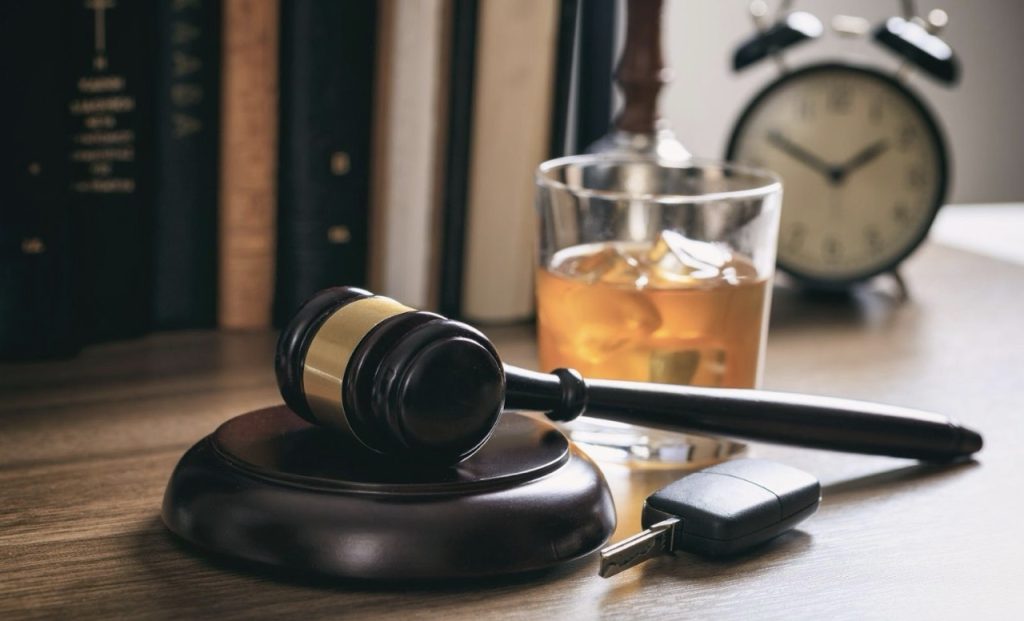
A DUI charge can move quickly from a traffic stop to a serious legal problem. What may seem like a simple arrest often involves multiple reports, test results, and legal deadlines. The way a case is reviewed in the early stages can influence everything that follows. An experienced DUI attorney does not look at the charge alone. Instead, the focus is on how the arrest happened, what evidence exists, and whether legal procedures were properly followed.
Understanding how an experienced DUI attorney evaluates a case can help clarify why early review is so important.
Reviewing the Initial Traffic Stop
Every DUI case begins with a stop. The first question is whether law enforcement had a legal reason to pull the driver over. Officers must have reasonable suspicion that a traffic violation or other offense occurred.
An attorney will examine the police report carefully. Was there a clear traffic violation? Were driving patterns properly described? Dash camera footage, if available, may also be reviewed to see whether the stop was lawful.
If the stop was not legally justified, it may affect the entire case. Evidence gathered after an unlawful stop can sometimes be challenged in court.
Examining Field Sobriety Tests
Field sobriety tests are often used to determine whether a driver may be impaired. These tests can include walking in a straight line, standing on one leg, or following an object with the eyes.
An attorney will look at how these tests were conducted. Were instructions given clearly? Were road conditions uneven? Was the lighting poor? Medical conditions, fatigue, or nervousness can also affect performance.
Even small procedural mistakes during testing may weaken the reliability of the results. A careful review helps determine whether the tests were administered properly and fairly.
Analyzing Breath or Blood Test Results
Chemical tests are often central to a DUI case. Breath or blood samples are used to measure blood alcohol concentration. However, these tests are not always as simple as they appear.
An attorney may review:
- Whether the testing device was properly maintained
- Whether the officer was trained to use it
- Whether the testing procedure followed legal guidelines
- Whether the sample was handled correctly
Calibration records and maintenance logs can play a key role. Errors in testing equipment or handling can raise questions about accuracy.
Checking Police Procedure
DUI arrests involve specific legal steps. Officers must follow proper procedure during questioning and arrest. An attorney will look at whether the driver’s rights were respected.
Was the individual properly informed of their rights? Was there any improper questioning? Were reports completed accurately and without inconsistencies?
Small errors in paperwork may not end a case, but larger procedural violations can influence how evidence is viewed.
Evaluating Video and Body Camera Footage
Many DUI stops are recorded through dash cameras or body cameras. Video footage can either support or contradict what is written in the police report.
An attorney will review this footage closely. Does the driver appear unsteady? Is speech clearly impaired? Does the officer’s description match what is seen on video?
Video evidence often provides an objective record of events. Comparing this to written reports is a key part of case evaluation.
Reviewing Prior Record and Circumstances
A DUI case does not exist in isolation. An attorney will consider whether the driver has prior convictions, the level of alcohol recorded, and whether an accident was involved.
First-time cases may be treated differently from repeat offenses. The presence of aggravating factors, such as injuries or very high blood alcohol levels, can affect possible penalties.
Looking at the full background allows the attorney to assess potential risks and explore appropriate defense strategies.
Identifying Legal Defenses
After reviewing the evidence, the next step is identifying possible defenses. These may include challenging the legality of the stop, questioning the reliability of test results, or pointing out procedural violations.
Each case is unique. There is no single defense strategy that fits every situation. A strong evaluation focuses on the facts, not assumptions.
An experienced DUI attorney looks for weaknesses in the prosecution’s case while also preparing for possible outcomes. This balanced approach helps guide decisions about negotiation, motion practice, or trial.
Considering Administrative Consequences
A DUI arrest may trigger administrative penalties separate from the criminal case. These can include license suspension or restrictions.
An attorney evaluates deadlines for requesting hearings and responding to administrative actions. Missing these deadlines can limit available options.
Understanding both the criminal and administrative sides of the case ensures that nothing is overlooked.
Planning the Next Steps
After reviewing all evidence, legal procedures, and possible defenses, the attorney develops a strategy. This may involve filing motions to suppress evidence, negotiating with prosecutors, or preparing for trial.
The evaluation stage is critical because early decisions can shape the entire case. Acting quickly allows time to gather records, request video footage, and preserve important information.
Conclusion
A DUI charge involves more than a single report or test result. It includes legal standards, technical procedures, and strict deadlines. Careful review of each detail helps determine the strength of the case and the options available.
By thoroughly analyzing the stop, the testing process, police conduct, and possible defenses, an experienced DUI attorney provides a structured and informed assessment. Early evaluation helps protect legal rights and ensures that every relevant issue is considered before moving forward.