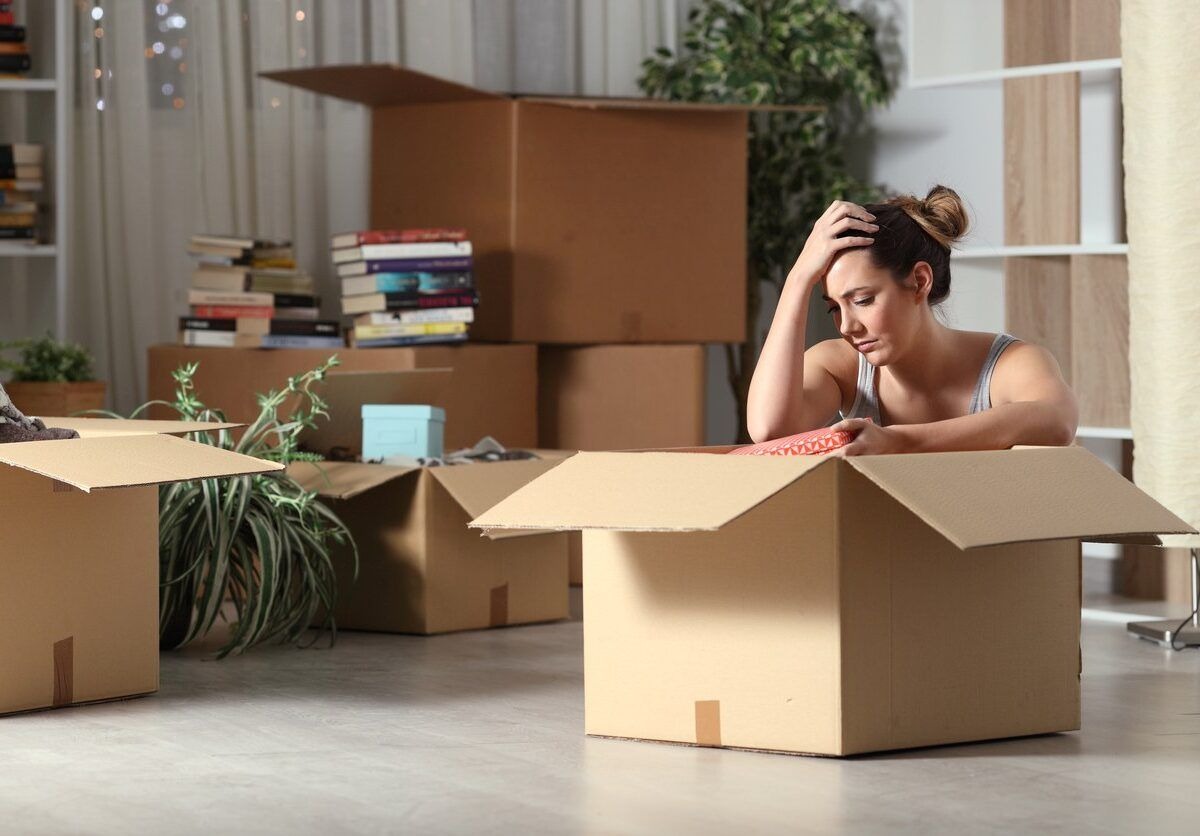
Most people don’t think much about packing until the night before the truck shows up. By then, it’s a mad scramble of garbage bags, mismatched boxes, and a prayer that nothing breaks. That’s where the real cost of moving hides. Not in the mover’s quote or the truck rental, but in the stuff you packed wrong or didn’t think twice about.
Soft items tend to get the least attention, which is funny because they’re some of the easiest to mess up. Bedding gets tossed into trash bags, and nobody bothers to pack pillows the right way. The result? They show up at your new place smelling like the inside of a moving truck, or worse, stained from something that leaked three boxes over. Vacuum-sealed bags or clean plastic wrapping work well for pillows and comforters, keeping them dry and compressed. A decent set of pillows runs $50 to $150, so a couple of dollar-store bags are a pretty cheap insurance policy.
The Box Problem Nobody Talks About
Here’s something movers see constantly: people reusing old boxes from the grocery store or a liquor shop. Those boxes have been through at least one trip already. The structural integrity is shot. Stack a few on top of each other in a truck, and it’s only a matter of time before something gives.
New, corrugated moving boxes aren’t expensive. The difference between a box that holds up and one that caves in during a turn on the highway is about two dollars. What’s inside that box, though, could be worth hundreds. A busted box of kitchen electronics or a collapsed stack with framed photos inside adds up fast.
The Federal Motor Carrier Safety Administration recommends checking a mover’s credentials and registration before hiring anyone. They also provide consumer resources on how to prepare a shipment and file complaints if something goes wrong. But here’s the thing a lot of people miss: a mover can do everything right, and your stuff still gets damaged because it wasn’t packed well to begin with. In many cases, damage results from improper packing rather than mover handling. Professional packing services exist for this exact reason. Experienced crews know how to wrap, stack, and load in ways that prevent the kind of damage most people cause themselves.
Heaviest Stuff Goes Where?
This one sounds obvious, but people get it backwards all the time. Books go in big boxes. Towels go in small ones. Then everything collapses.
Heavy items belong in small boxes. It keeps the weight manageable and prevents the bottom from blowing out mid-carry. Light, bulky things like linens and clothes can fill the bigger boxes.
And this trips people up more than you’d expect: leave some space at the top of every box. Overpacked boxes don’t close properly and can’t be stacked safely. A little packing paper or a towel on top does the trick.
The Kitchen Is Where Moves Go to Die
If there’s one room that causes the most damage claims, it’s the kitchen. Glasses, plates, ceramic mugs, and that fancy serving dish from your aunt. All fragile, weirdly shaped, and not designed to survive bouncing around in a truck.
Wrap each item individually. Use packing paper, not newspaper (the ink transfers). Stand plates on their edges instead of laying them flat. And for glasses, stuff crumpled paper inside before wrapping the outside.
Replacing a broken set of dishes can cost anywhere from $40 for basic stoneware to $300 or more for something nicer. A single cracked stand mixer or busted food processor can set you back $100 to $400. Most people don’t file damage claims for individual kitchen items because the hassle isn’t worth it, and many basic moving insurance plans only cover a fraction of the actual value. That’s money you just eat.
According to U.S. Census Bureau data, millions of Americans move each year. That’s a staggering number of households packing up kitchens and garages, and a lot of them are learning these lessons the hard way.
Don’t Forget to Label (and Don’t Pack Everything)
Write on every box. Top and at least one side. Not just “kitchen” but what’s in there. ” “Kitchen, glasses, and mugs, FRAGILE” is ten times more useful when you’re standing in a new house at 9 PM trying to find something to drink water out of.
And while you’re at it, keep candles, cleaning products, aerosol cans, and anything with batteries out of the boxes. People toss this stuff in without thinking, and it causes problems from minor messes to safety hazards. Transport those yourself, or replace them at the new place.
Start Earlier Than You Think
The biggest packing mistake isn’t about technique. It’s timing. People consistently underestimate how long it takes to pack a house. A two-bedroom apartment can take a full weekend if you’re doing it right. A four-bedroom house? Plan for a week.
Starting early means you’re not making rushed decisions at midnight about whether to bubble wrap that picture frame or just toss it in a box. Rushed packing is how things get broken, lost, or left behind. And every broken item is money out of your pocket, whether it’s the $20 frame or the $600 TV that wasn’t secured properly. Licensed movers with packing experience understand weight distribution, stacking protocols, and which materials actually protect your stuff during transit. For a lot of people, the cost of professional packing pays for itself in what doesn’t break.