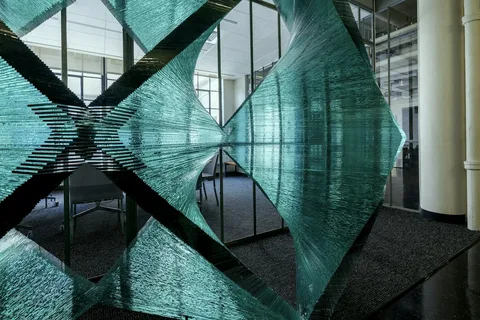
Modern office design increasingly emphasizes openness, light, and visual connection while still requiring defined work areas. Architectural glass walls provide a solution that balances transparency with structure, allowing organizations to create flexible environments without sacrificing professionalism. In evolving business districts such as Pittsburgh, careful planning and professional installation are essential to ensure that glass wall systems perform as intended.
Understanding Architectural Glass Wall Systems
Architectural glass walls are interior partition systems designed to divide spaces while maintaining visual continuity. These systems are commonly used for conference rooms, private offices, collaboration areas, and executive suites. Unlike traditional drywall partitions, glass walls allow natural light to flow throughout the space, creating a more open and inviting environment.
Glass wall systems vary in configuration and performance characteristics. Options include framed and frameless systems, clear or frosted panels, and integrated door assemblies. Selecting the appropriate system depends on functional needs, aesthetic goals, and building conditions.
Balancing Openness With Privacy and Acoustics
One of the most common concerns with glass walls is privacy. While transparency supports collaboration and visibility, certain spaces require visual and acoustic separation. Frosted finishes, decorative films, and strategic placement can provide privacy without compromising design intent.
Acoustic performance is another important consideration. Professional installation ensures that panels, seals, and door components are aligned correctly to support sound control. Proper assembly helps reduce sound transfer and supports productive work environments.
Planning Layouts and Structural Integration
Accurate planning is critical for successful glass wall installation. Wall placement must align with floor conditions, ceiling systems, and adjacent construction. Even minor inconsistencies can affect panel alignment and door operation.
Professional installers verify dimensions and site conditions before installation begins. This preparation helps ensure that tracks, frames, and panels fit correctly and function smoothly. Careful coordination between ceiling and flooring systems results in a clean, cohesive appearance.
Safety, Codes, and Material Handling
Glass wall systems must meet safety standards related to glazing, impact resistance, and egress. Tempered or laminated glass is commonly used to meet these requirements. Proper anchoring and hardware installation are essential to maintain stability and safety.
Handling glass panels requires specialized equipment and experience. Professional installation teams follow strict procedures to protect materials and prevent damage. This approach reduces risk during installation and preserves the integrity of the finished system.
Coordinating Installation in Active Offices
Many office environments remain occupied during improvement projects. Glass wall installations require careful scheduling to limit disruption and maintain safety. Installations are often completed in phases or during off-hours to accommodate ongoing operations.
Clear communication between installers and facility managers helps ensure that work areas are secured and access is controlled. Protective measures such as floor coverings and temporary barriers support a safe and orderly installation process.
Why Professional Installation Is Essential
Architectural glass walls demand precision and expertise. Improper installation can result in misalignment, poor door operation, or compromised safety. Professional installers bring experience with manufacturer specifications and installation best practices.
Their attention to detail ensures that systems perform correctly and maintain their appearance over time. Proper installation also protects warranties and supports the durability of the investment.
Frequently Asked Questions
How long does a glass wall installation usually take?
Timelines vary based on system complexity and space size. With proper planning, most projects follow a predictable schedule.
Can glass walls provide adequate sound control?
Yes. When installed correctly, glass wall systems can support effective acoustic performance.
Are glass walls safe for office environments?
Yes. Architectural glass systems use safety-rated materials and secure hardware when installed professionally.
Can glass walls be added to existing offices?
Yes. Many systems are designed for retrofit applications with minimal structural modification.
Thoughtfully designed workspaces benefit from solutions that promote openness without sacrificing function. Professional architectural glass wall installation helps organizations create modern, light-filled offices that support collaboration and privacy. Businesses throughout Pittsburgh rely on experienced installation teams to deliver precise and reliable results. To learn more about professionals, visit Quality Installers.





Leave a Reply