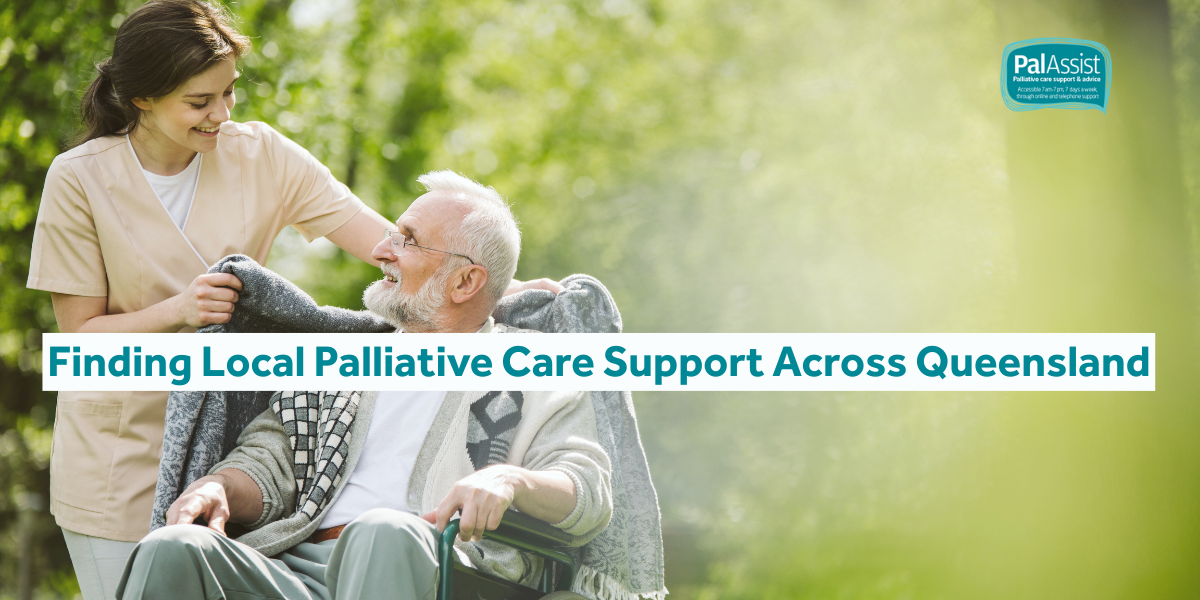
Finding palliative care for a loved one with a life-limiting illness is one of those things most families don’t think about until they need it. And when that moment comes, it can feel like you’re searching in the dark.
Now, you might be wondering what services exist near you, how to get a referral, or whether support is even available outside the major cities. Fortunately, palliative care services operate right across Queensland, from the Gold Coast to the Sunshine Coast, Townsville, and beyond.
At PalAssist, we’ve walked alongside thousands of Queensland families facing these same questions, so we understand how confusing this time can be. This guide will show you where to find local support, how to access specialist care, and what to expect along the way.
By the end, you will find clear, practical information to help guide you through the next steps at your own pace.
Palliative Care Services Available Across Queensland
Palliative care services are available throughout Queensland, whether you need support in a hospital, at home, or through community health centres. These services focus on comfort, pain relief, and quality of life for people with a life-limiting illness, while also supporting families throughout the journey.

Queensland Health funds palliative care in every hospital and health service region across the state. As you begin exploring your options, there are a few things worth knowing.
- Early Access: You don’t have to wait until the end of life to receive palliative care, and starting earlier often leads to better symptom control.
- Home and Hospital Options: Services range from inpatient beds to community nurses who visit patients at home.
- Finding Local Support: The Palliative Care Australia directory can help you search for specialist palliative care services by postcode.
Wherever you are in Queensland, there are health professionals ready to support you and your family when it is needed most.
Accessing Palliative Care on the Gold Coast
Looking for palliative care support for your family on the Gold Coast? Here is an overview of the services available in the region.
- Hospital and Inpatient Services: Gold Coast University Hospital has a specialist palliative care unit with inpatient beds for complex symptom management. The team also runs outpatient clinics, so families can access specialist care without a hospital stay.
- Community and Home-based Care: For those who prefer to stay at home, community palliative care teams provide regular visits from nurses and allied health staff. Your loved one can remain comfortable in familiar surroundings while still receiving professional support.
- How to Get a Referral: Your GP can refer you to palliative care services, or you can contact Gold Coast Health directly (and yes, you can self-refer in many cases).
Remember, Support is available all across the Gold Coast. You’ll find experienced health professionals ready to guide you through the available options.
Palliative Care Support on the Sunshine Coast
Families on the Sunshine Coast have access to specialist palliative care close to home, which reduces travel stress during a difficult time like this. If your loved one needs more complex care, Sunshine Coast University Hospital has a palliative care team that manages symptoms like pain, nausea, and breathlessness, working closely with your usual doctors.

We know caring for someone at home exhausts even the most dedicated families without the right support. That’s why community nurses and allied health staff provide regular visits to help with medications, symptom management, and emotional support for both patients and carers.
And since these local services coordinate with GPs, your loved one receives consistent care whether they’re at home, in the hospital, or moving between the two. This joined-up approach helps families feel more confident and less alone during an uncertain time.
Palliative Care in Townsville and Regional Areas
Queensland has more people living outside major capital city areas than any other state in Australia, according to the Queensland Audit Office. Which means accessing specialist care can be harder when you’re far from a major hospital.
We’ve spoken with many regional families about this, and they told us telehealth helped when specialists were hours away. Like for those in North Queensland, Townsville University Hospital runs a palliative care unit that serves patients and families from Mackay to the Torres Strait.
Here’s a quick look at the main access points across the region.
| Regional Area | Main Palliative Care Access Point |
| Townsville | Townsville University Hospital |
| Cairns | Cairns Hospital Palliative Care |
| Mackay | Mackay Base Hospital |
| Mount Isa | Telehealth + local community health |
Telehealth now connects rural patients with specialist palliative care teams (a relief for families managing long distances). Smaller hospitals and community health centres also provide local support closer to home.
Once the care is in place, you’ll work with a team of specialists.
Health Professionals in Specialist Palliative Care Services
Specialist palliative care involves a group of trained health professionals who focus entirely on comfort and quality of life for patients and their families.
The palliative care team typically includes doctors, clinical nurse consultants, social workers, counsellors, physiotherapists, and occupational therapists. Each of them brings a different expertise to your loved one’s care, which covers physical, emotional, and spiritual needs.
Believe it or not, you can even request referrals to specific team members based on what you need most. For instance, if pain management is the priority, a specialist doctor or nurse can help. Or if your family needs support with difficult conversations, a social worker can step in.
For more on how these healthcare professionals work together, the Australian Government’s palliative care resources offer helpful guidance.
End of Life Care and Ongoing Support
After palliative care is in place, you might start thinking about what happens as your loved one’s illness progresses. This is when end-of-life care becomes the focus, and it centres on comfort, dignity, and respect during the final stage of life.
In practical terms, this means keeping your loved one as peaceful and pain-free as possible. The palliative care team continues to manage symptoms, provide emotional support, and coordinate with other health services so nothing falls through the cracks.
Once that’s established, families often turn to advance care planning. These conversations can feel difficult, but there’s no way around this. So take this time to document your loved one’s wishes, which will provide clarity and peace of mind for everyone involved.
The Queensland Government’s palliative care page has resources to help you work through this process.
And the support doesn’t stop when your loved one passes (because grief doesn’t follow a timeline). So counsellors and community services remain available to assist your family in the weeks and months that follow.
Help Is Available Wherever You Are in Queensland
Finding the right palliative care for your loved one takes time, but you don’t have to figure it out alone. PalAssist offers free phone and chat support for Queensland families facing these decisions.
Our registered nurses and allied health professionals can answer your questions and help you take the next step. Call 1800 725 277 (7 am–7 pm daily) or visit the website to connect with our team.






Leave a Reply